19 Charming Amigurumi Butterflies: Step-by-Step Photos & Pinterest-Worthy Crochet Ideas
Discover 19 amigurumi butterfly ideas with step-by-step photos - perfect for beginners, gift-making, and quick scrap-busting projects that drive Pinterest pins.
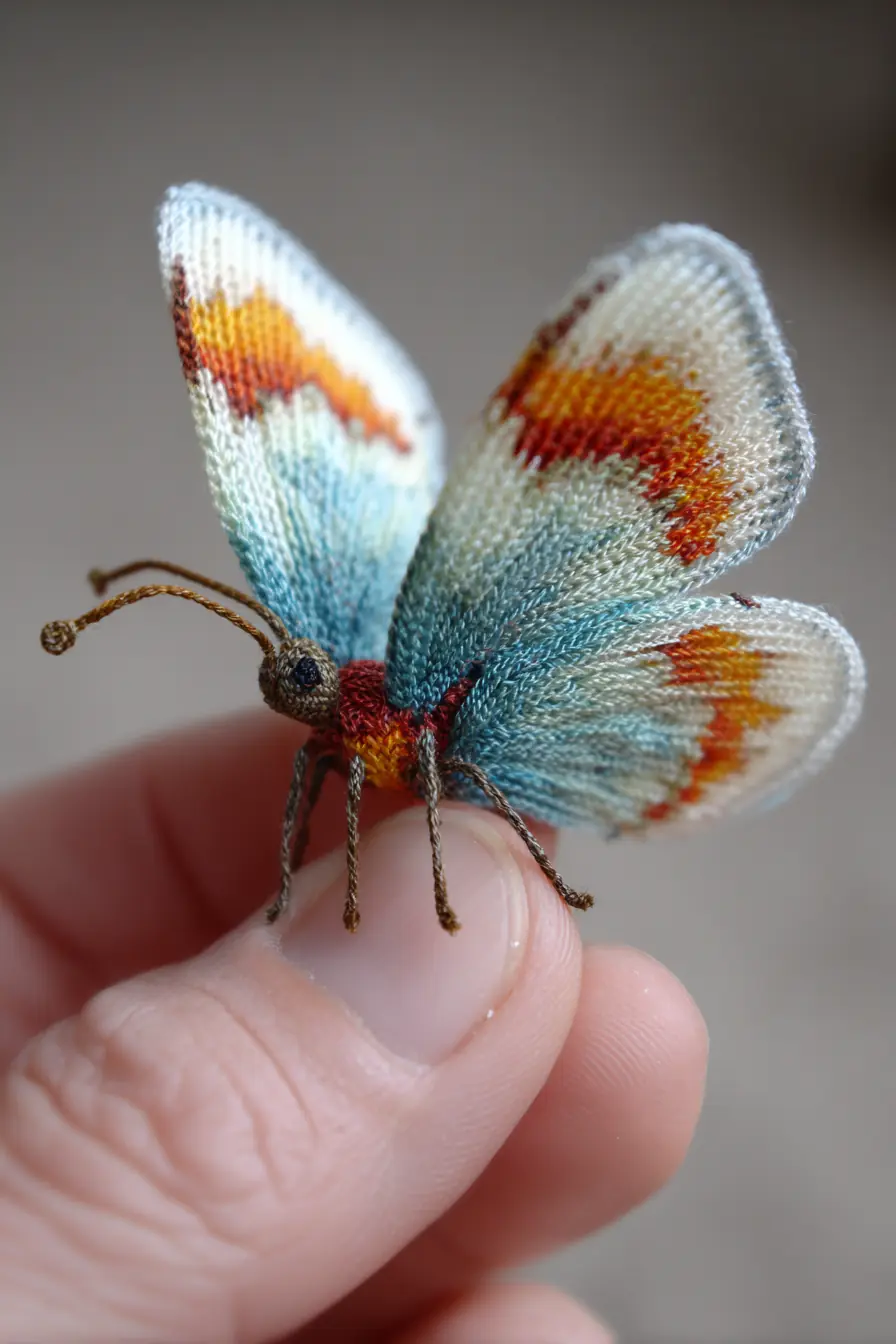
Create a delightful collection with 19 amigurumi butterfly patterns and step-by-step photos to inspire makers of every level. This post gathers beginner- to intermediate-friendly designs, clear materials lists (worsted weight yarn, G/4.0mm hook, fiberfill, stitch markers, yarn needle), and tips to customize wings, antennae, and color palettes. Whether youre new to single crochets and magic rings or comfortable with increases and simple shaping, these butterflies are small, quick projects perfect for scrap-busting, gift tags, mobiles, or nursery décor. Trend-savvy crafters will love how butterfly pins, keychains, and garlands perform on Pinterest - visuals and variations drive repins. With 19 images illustrating assembly, finishing, and display ideas, youll have a visual roadmap for every step. Keep a gauge, read abbreviations carefully, and get ready to make fluttering friends that stitch up fast and look gorgeous in photos.
Mini Amigurumi Shark Crochet — Small Plush Toy (DK/Worsted Yarn)
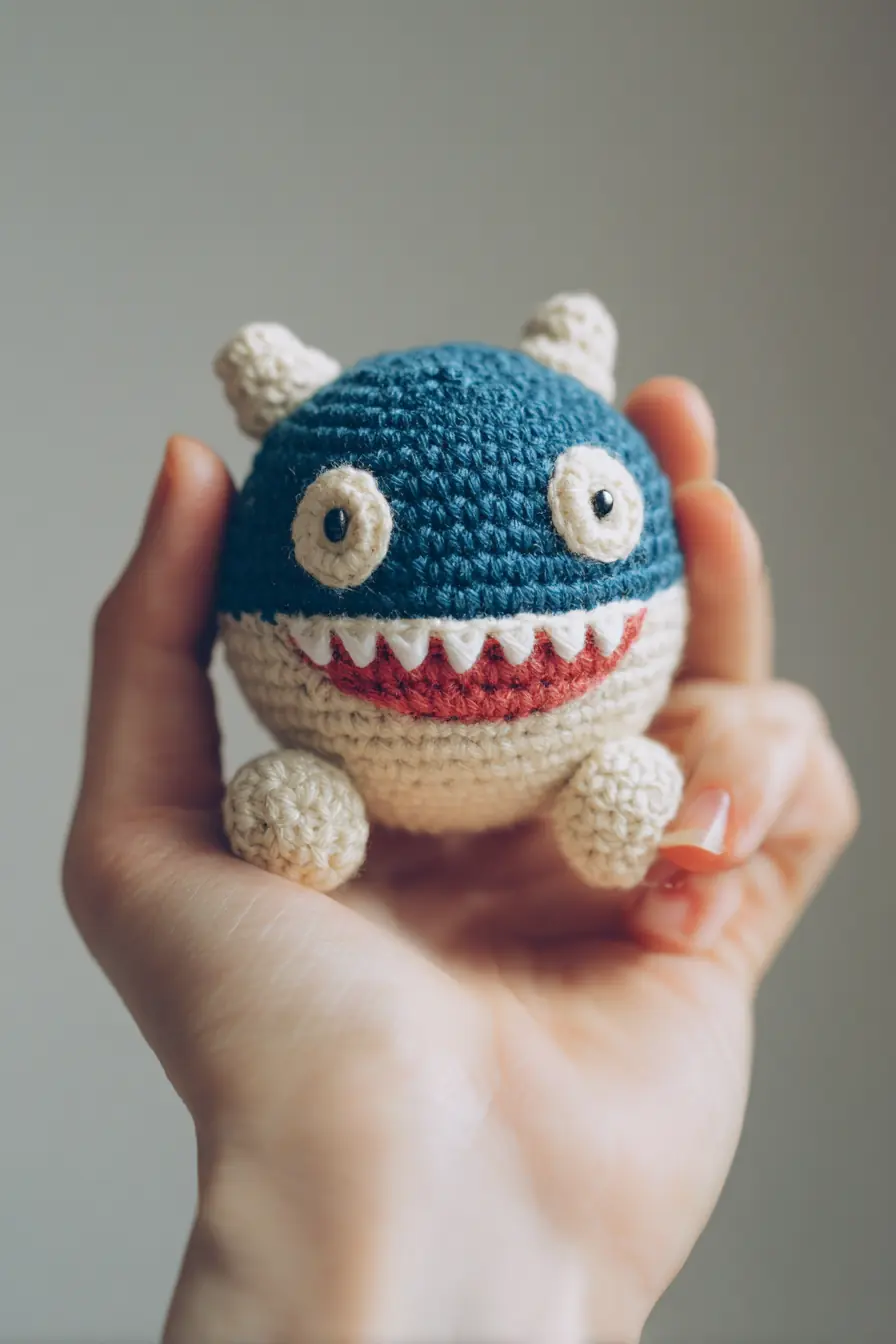
This pocket-sized amigurumi shark is worked in continuous rounds for a smooth, seamless look — ideal as a keychain, baby-safe toy, or shelf buddy. Materials: DK or worsted-weight cotton or acrylic yarn (main color, contrast cream, and small red accent), 2.5–3.5 mm crochet hook (adjust for tight gauge), polyester fiberfill, stitch marker, yarn needle, and either 6–8 mm safety eyes or embroidery thread for features. Stitches & techniques: magic ring, single crochet (sc), increase (inc), invisible decrease (inv dec), slip stitch (sl st), basic color change and surface embroidery for mouth/teeth. Safety: if the toy is for a child under 3, replace plastic safety eyes with embroidered eyes and securely stitch on all limbs and embellishments; check seams and trim excess yarn. Size: finished toy measures about 6–8 cm (2.5–3 in) tall depending on yarn/hook. Tips: keep tension tight to prevent fiberfill showing, stuff firmly but evenly, use a stitch marker to track rounds, sew parts with ladder stitch for an invisible join, and block lightly if needed to even out shapes.
Kawaii Round Leaf Amigurumi — Crochet Plush Toy with Embroidered Face
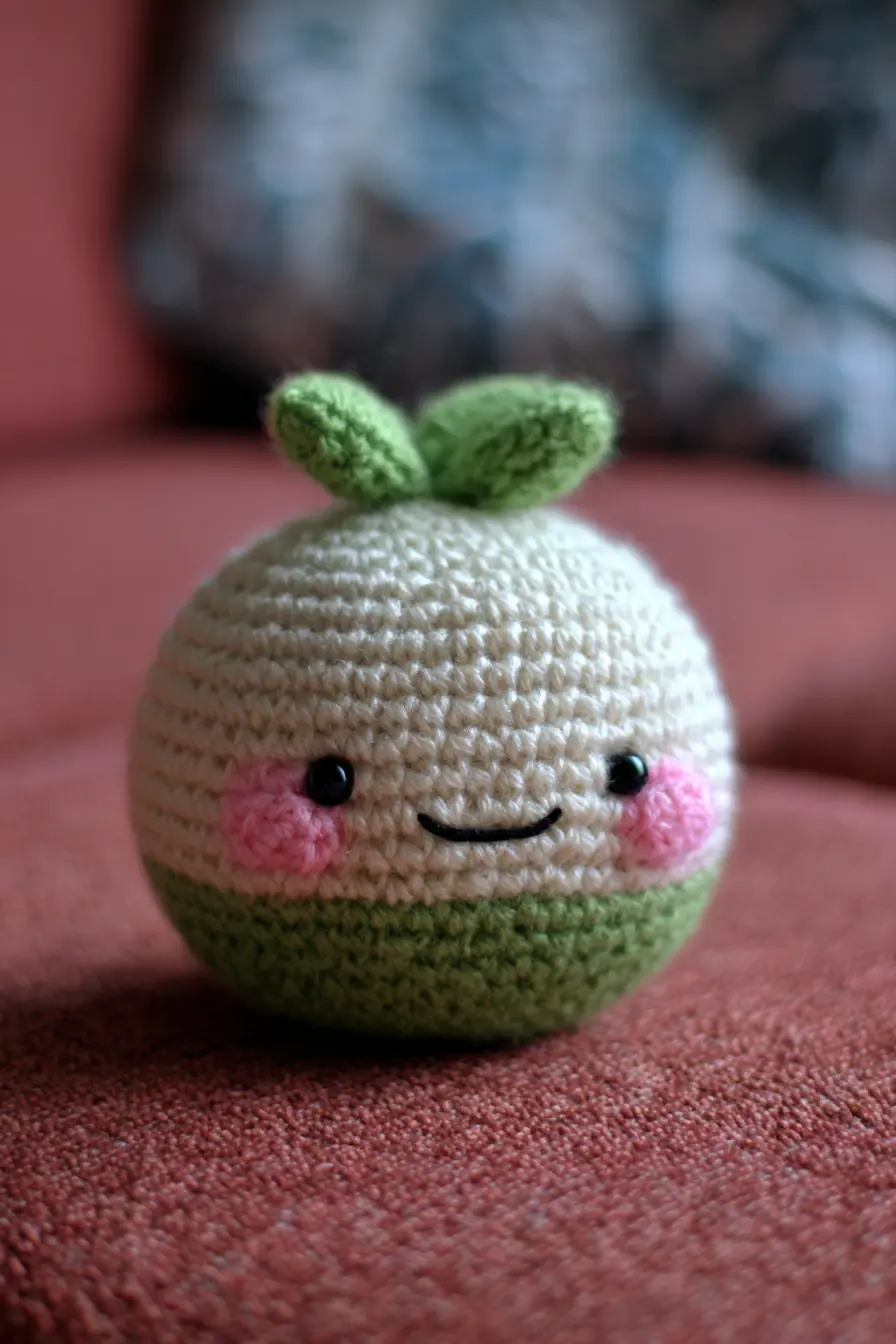
This sweet round leaf amigurumi is crocheted in worsted-weight cotton (or acrylic) using two colors: a cream/pearl for the head and a soft green for the base and leaves, plus a small amount of pink for cheeks. Tools: 3.0–3.5 mm hook (use a hook one size smaller than yarn label for denser fabric), polyester fiberfill, 6–8 mm safety eyes (or embroider for babies), yarn needle, stitch marker and scissors. Basic stitches used: magic ring, single crochet (sc), increase (inc), invisible decrease (dec), and slip stitch (slst). Size: finished toy is approximately 9–10 cm (3.5–4 in) diameter depending on tension. Safety: for children under 3, replace safety eyes with embroidered eyes and securely sew on leaves; weave in ends and double-stitch seams. Tips: keep tension tight and stuff firmly to avoid gaps; change color evenly by switching in the last loop of a stitch to create a clean color join; place safety eyes before heavy stuffing and mark their positions early for even spacing; use a smaller hook for stuffing-friendly fabric; consider sewing cheeks on as small rosettes or surface crochet for a polished look. Enjoy customizing colors and leaf shapes!
Mini Sprout Amigurumi: Crochet Pattern for Small Plush with Leaf Top
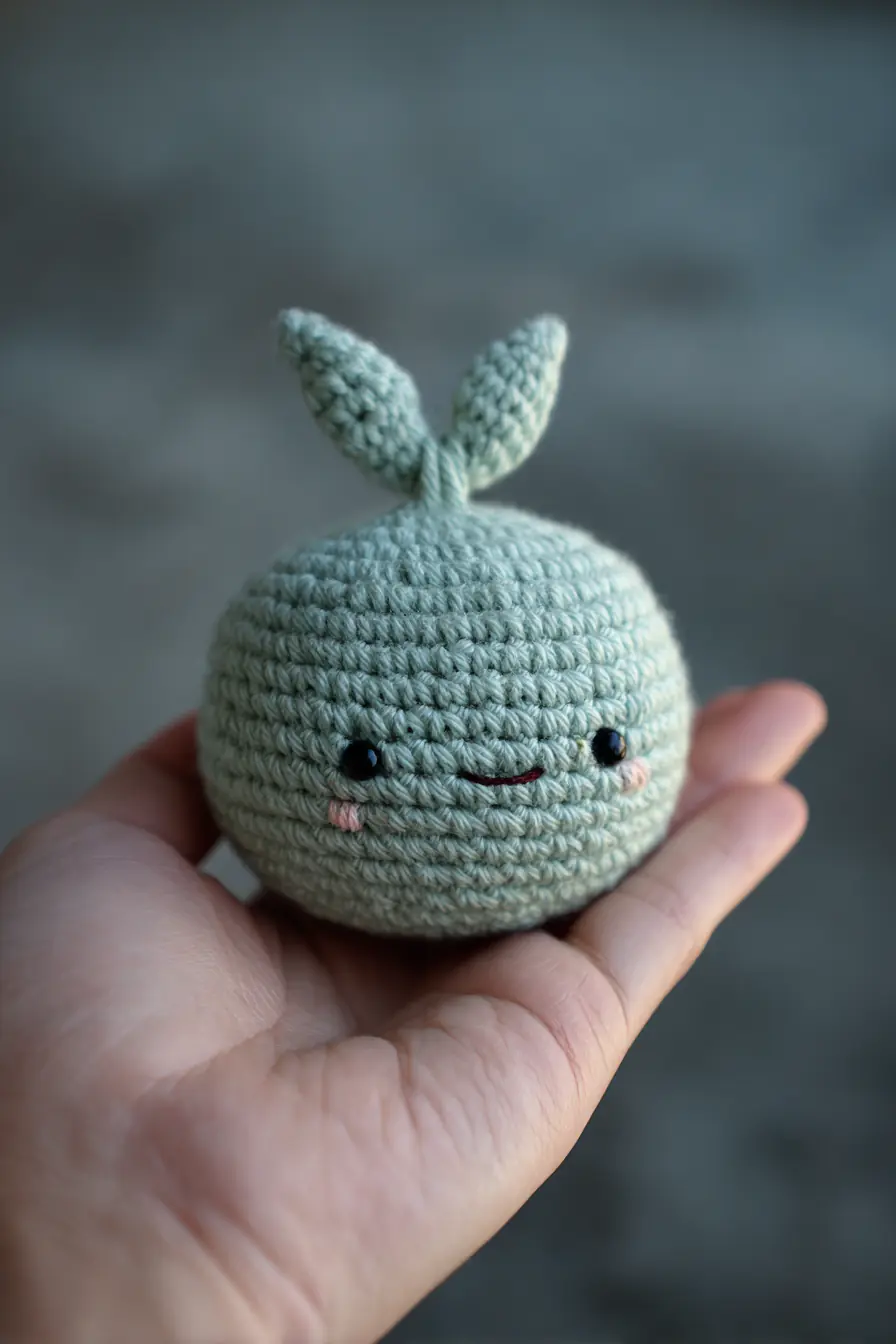
This sweet mini sprout amigurumi is worked in the round and makes a perfect palm-sized gift or keychain. Materials: light worsted/DK cotton or acrylic yarn (approx. 10–20 g), 3.0–3.5 mm crochet hook (adjust for tight gauge), polyester fiberfill, 6–8 mm safety eyes or embroidery thread for baby-safe version, yarn needle, stitch marker. Stitches used: magic ring, single crochet (sc) in continuous spiral, increases (inc), invisible decrease (inv dec), slip stitch to finish; simple surface embroidery for the mouth and blush. Safety: if the toy is for infants or young children, replace safety eyes with embroidered eyes and securely fasten all parts; avoid small attachments. Size: finished piece is approximately 2.5–3 inches (6–8 cm) tall including the leaf top, depending on yarn and tension. Tips: keep a tight tension to hide stuffing, insert safety eyes before stuffing firmly, use a stitch marker to track rounds, stuff firmly but not overpacked to keep stitch definition, and add a small weight or squeaker in the base if you want a different feel. Handwash gently and reshape while damp.
Round Fruit Amigurumi: Green Strawberry/Apple Crochet Pattern (Beginner Friendly)
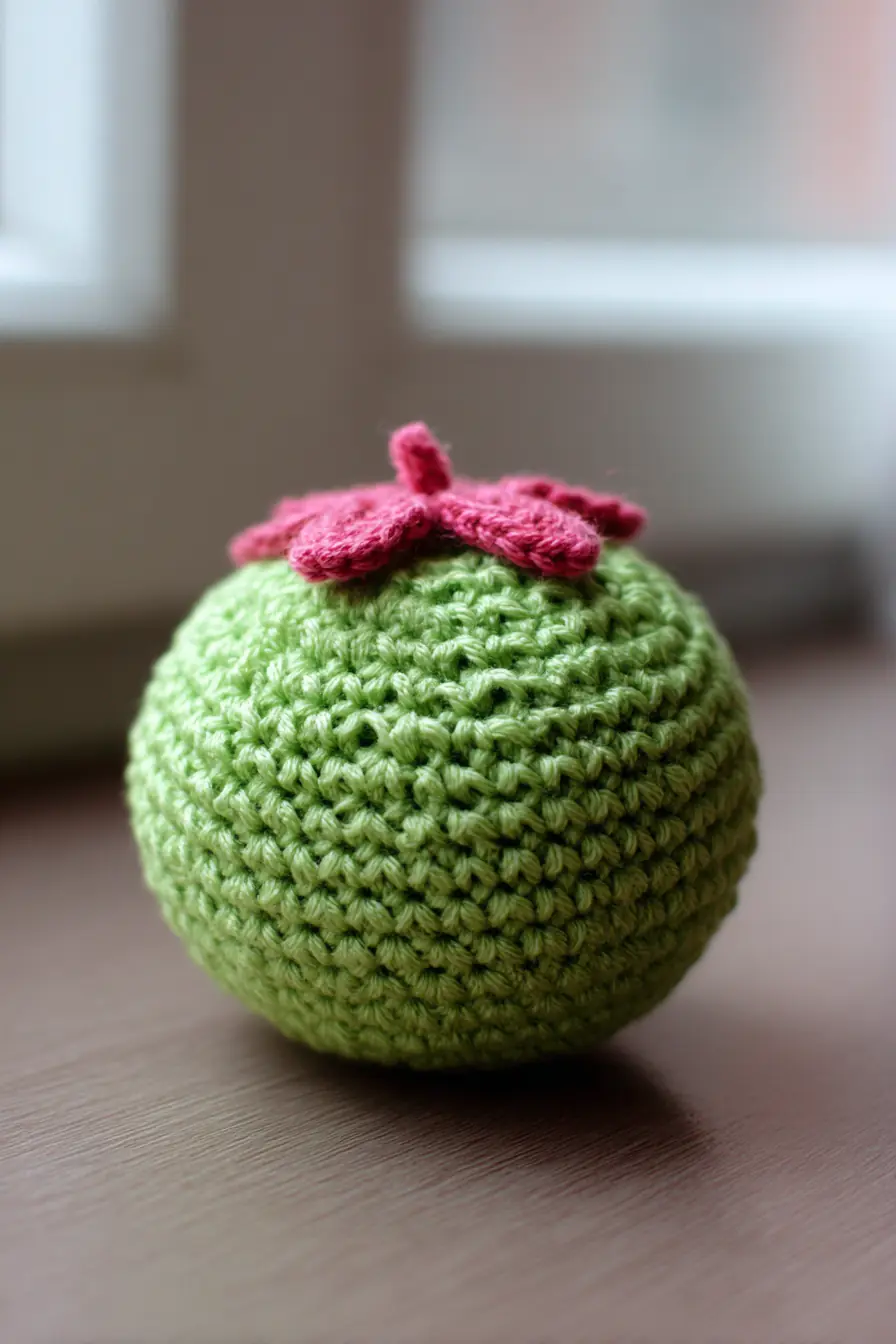
This compact round fruit amigurumi features a lime-green spherical body topped with a pink star-shaped calyx — a great quick project for beginners. Materials: about 50g DK or worsted-weight cotton or acrylic yarn (green + small amount of pink), 3.5–4.0 mm hook, polyester fiberfill, tapestry needle, stitch marker, scissors; optional rattle insert. Stitches used: magic ring, single crochet (US), increases, invisible decreases, and slip stitch for finishing petals. Size: worked with the listed materials you’ll end up with a palm-sized toy approximately 8–10 cm (3–4 in) in diameter; change hook or yarn to scale up or down. Safety: for babies, avoid attached beads or buttons—use embroidered features, securely weave and double-knot all ends, and ensure stuffing is fully enclosed. Tips: maintain a tight gauge so stuffing won’t show, stuff gradually and firmly to keep a smooth round shape, mark the first stitch of each round to avoid counting errors, crochet petals flat and sew them on evenly, and finish the closing with a ladder stitch for an invisible seam. Optional: insert a baby-safe rattle or bell before final closure.
Tiny Butterfly Amigurumi — Fine-Thread Pattern, Materials & Finishing Tips
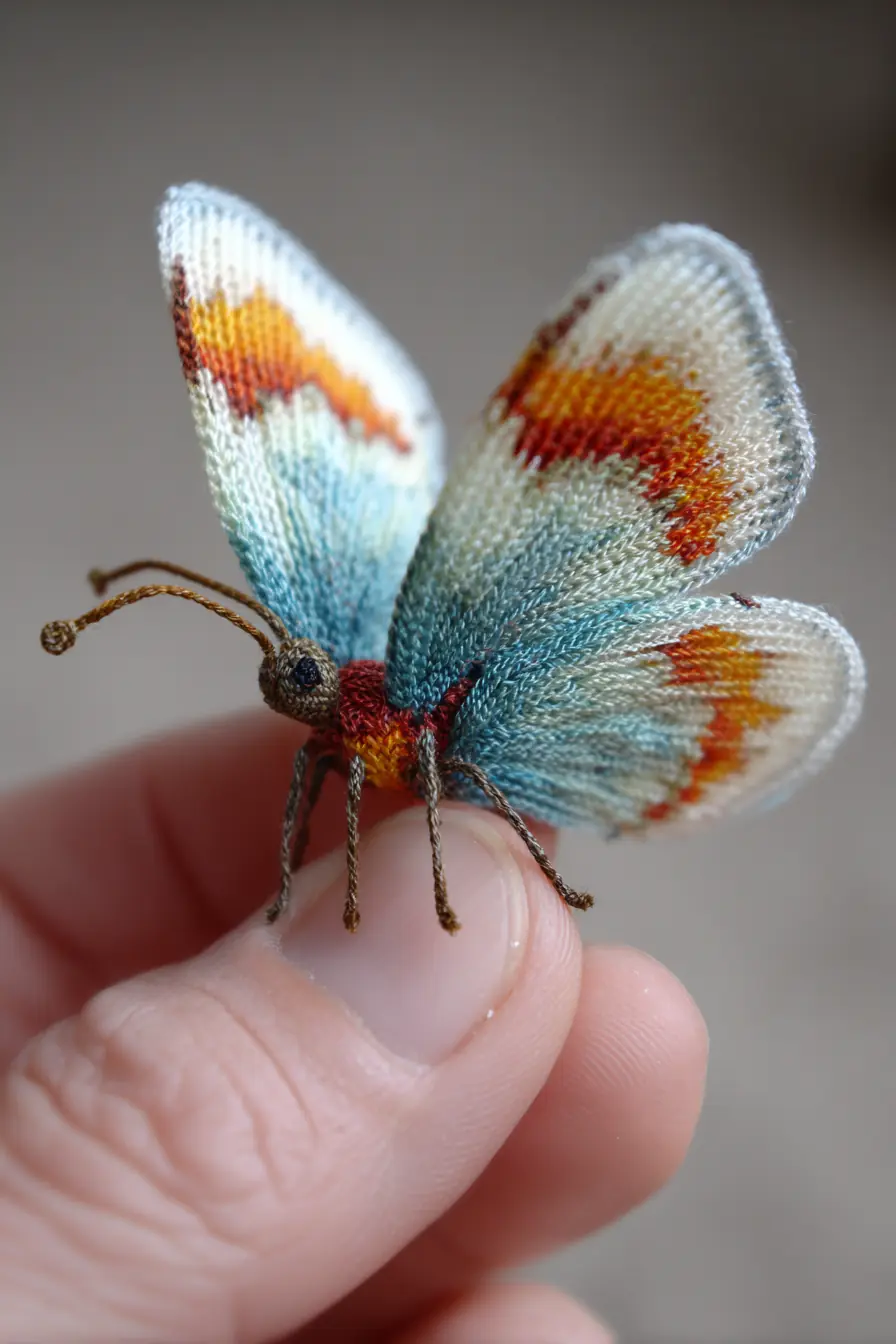
This delicate butterfly amigurumi is worked with fine thread or fingering-weight yarn to achieve the close, textured fabric in the photo. Materials: 10–20 g cotton fingering or 2–3 skeins of embroidery floss, 1.75–2.5 mm crochet hook (or 2.0–2.5 mm knitting needles for a knit version), small amount of polyester stuffing, 24–28 gauge floral wire for antennae/wing support, tapestry needle, and textile glue. Stitches & techniques: magic ring, single crochet (sc), invisible decrease (inv dec), increases (inc), slip stitch (sl st), and simple surface embroidery or stranded color changes for wing markings. Safety: secure any wire ends by wrapping and burying them inside the body; for toys intended for young children, avoid beads or plastic eyes—embroider eyes and reinforce seams. Size: finished wingspan roughly 5–7 cm and body length about 3–4 cm depending on tension. Tips: use tight tension and small hook to keep stuffing from showing; stuff sparingly so wings remain light; block and shape wings with wire or lightly steam-blocked shaping; weave in ends neatly and consider joining wing pieces with a few invisible stitches to hold the profile.
Handheld Rainbow Butterfly Amigurumi — Crochet Materials, Stitches & Tips
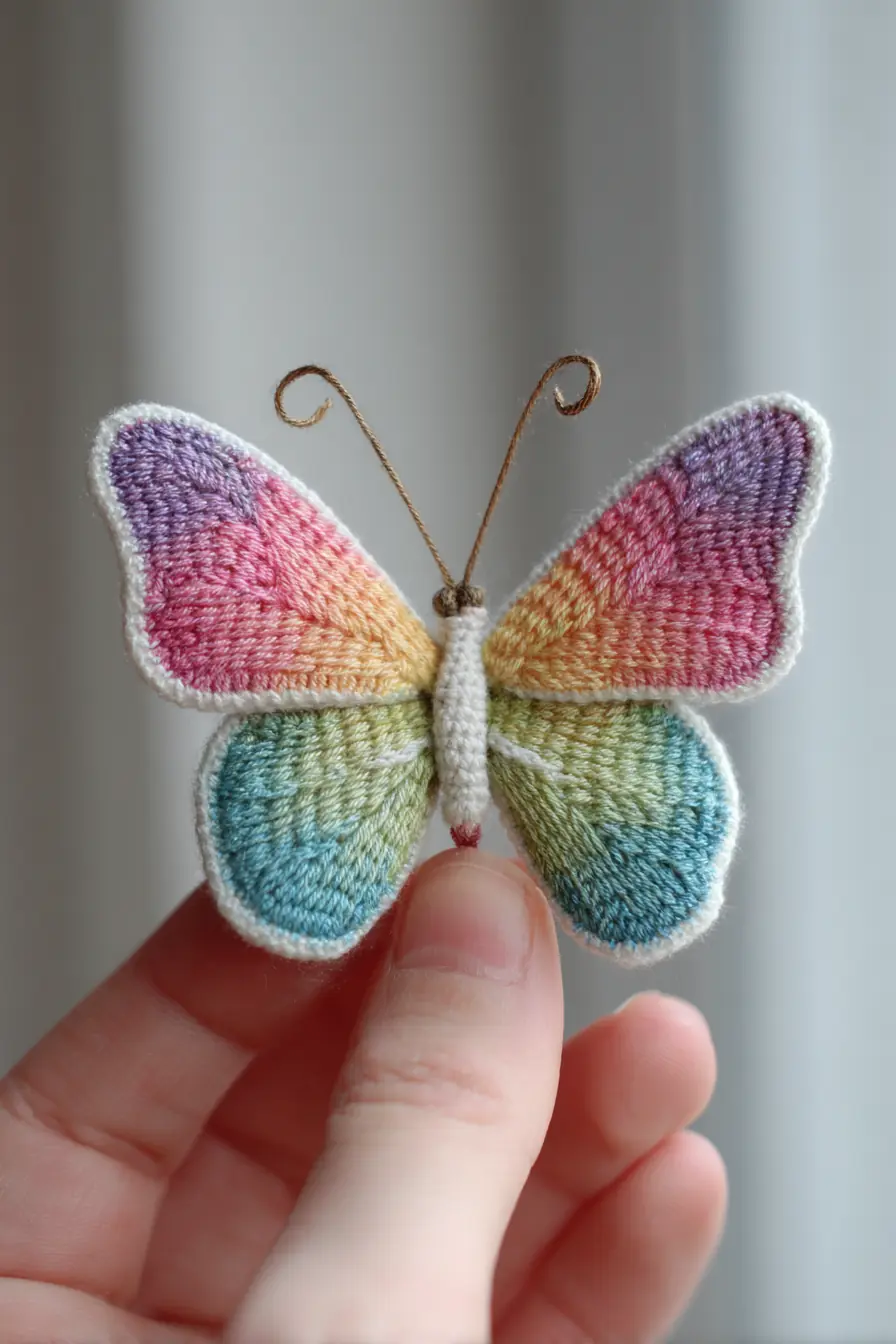
A delicate handheld rainbow butterfly amigurumi with a soft gradient wing finish, roughly 6–8 cm (2.5–3 in) wingspan. Materials: fingering/sock or light sport weight yarn (cotton or acrylic), contrast color for edging, 2.5–3.5 mm crochet hook, small amount of polyester fiberfill or felt for a flat body, 18–26 gauge craft wire for antennae (with ends capped/tucked), yarn needle, stitch markers and optional safety eyes. Stitches and techniques: magic ring, single crochet (sc), half double crochet (hdc) for smoother wing texture, basic increases/decreases for shaping, slip stitch joins and surface embroidery for veins. Safety notes: for toys given to young children, embroider eyes and securely sew antenna wire inside the body or cap ends to avoid sharp points; always check seams and fastenings. Tips: work with a tight gauge to prevent stuffing leakage, block wings flat before assembly for clean shape, use variegated yarn or planned color changes for the gradient, place stitch markers to maintain symmetry, and weave ends securely when joining layers to keep the edge neat and durable.
Amigurumi Butterfly Crochet — Gradient Cotton, Small Size & Safety Tips
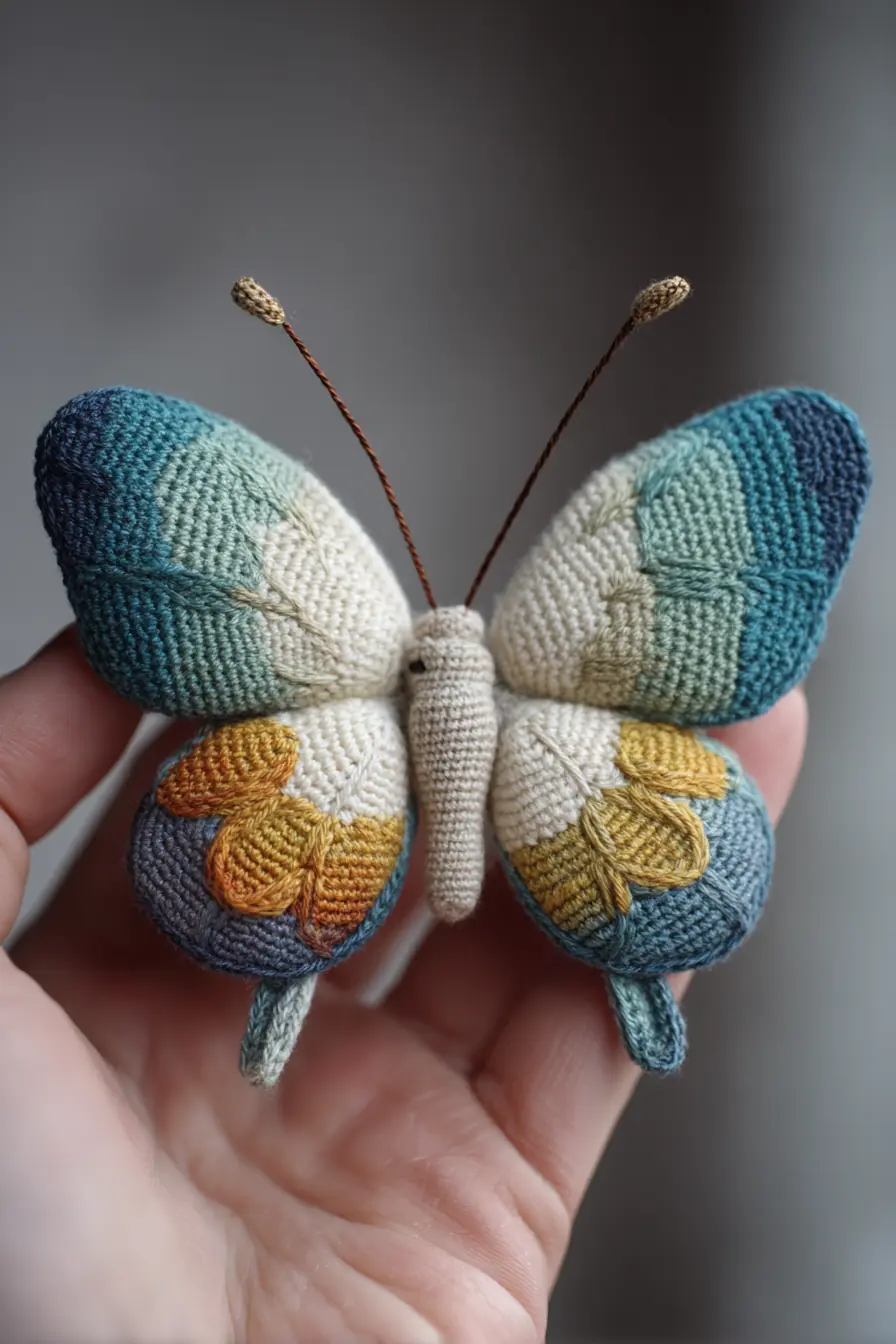
This delicate amigurumi butterfly is worked in fingering/sock or light DK cotton for a crisp, stitch-defined finish. Materials: 50–100 g variegated/gradient cotton, small amount of cream or neutral contrast yarn, 2.5–3.0 mm crochet hook (or one size smaller than yarn label), polyester toy stuffing, tapestry needle, fine floral wire or pipe cleaner (optional, for antennae), stitch markers. Key stitches and techniques: magic ring, single crochet (sc), increases, sc2tog decreases, surface slip-stitch or embroidery for wing veins, back-loop-only rows for subtle ridges, and invisible seaming to join pieces. Size and finishing: finished wingspan is approximately 9–11 cm (3.5–4.5 in) with a body length around 5–6 cm; adjust hook or yarn to change size. Safety notes: for children under 3, avoid wire and safety eyes — embroider features and fully secure all attachments; use tested, hypoallergenic stuffing and knot/secure ends inside the body. Tips: embroider wing details before stuffing, stuff firmly to keep shape, use stitch markers to maintain counts, block pieces lightly for even wings, and hide antenna wire inside a crocheted stem or wrap with thread for a tidy finish.
Amigurumi Butterfly Crochet Pattern — Tapestry Wings, Cotton Yarn & Wired Antennae
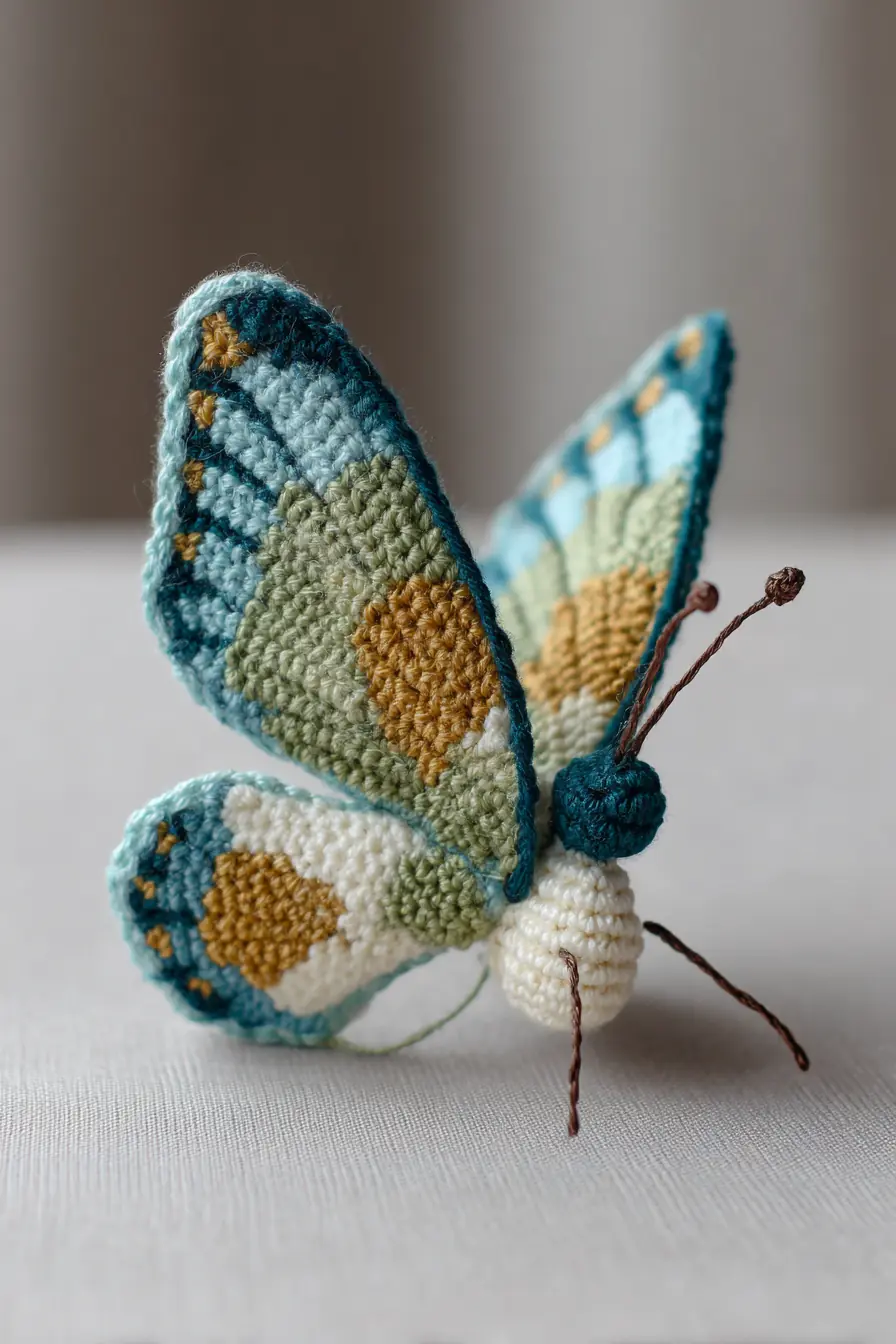
A delicate amigurumi butterfly featuring tapestry-style colorwork wings and a softly stuffed body. Materials: sport or DK-weight cotton or cotton-blend yarn (3–4 colors for wings + contrast for body), 2.5–3.5 mm crochet hook, polyfil stuffing, thin floral or craft wire for antennae/leg armature, tapestry needle, optional plastic canvas or interfacing for wing support. Stitches & techniques: predominantly single crochet (sc) in rounds for body and wings, increases and invisible decreases for shaping, colorwork/tapestry crochet for wing motifs, slip stitch finishing, and surface embroidery for spots. Safety notes: for toys intended for young children substitute embroidered features for safety eyes, securely anchor or encase wire ends in yarn or felt to prevent sharp points, and avoid small detachable parts. Size: finished wingspan approximately 12–14 cm (4.5–5.5 in); body length about 6–7 cm—adjust hook/yarn for a different scale. Tips: block wings flat for crisp shape, sandwich a thin plastic canvas inside for stiffness, weave in color change tails as you go to avoid bulk, stuff firmly but not overstuff, and use stitch markers to keep consistent gauge.
Tiny Rainbow Butterfly Amigurumi — Crochet Pattern, Materials & Tips
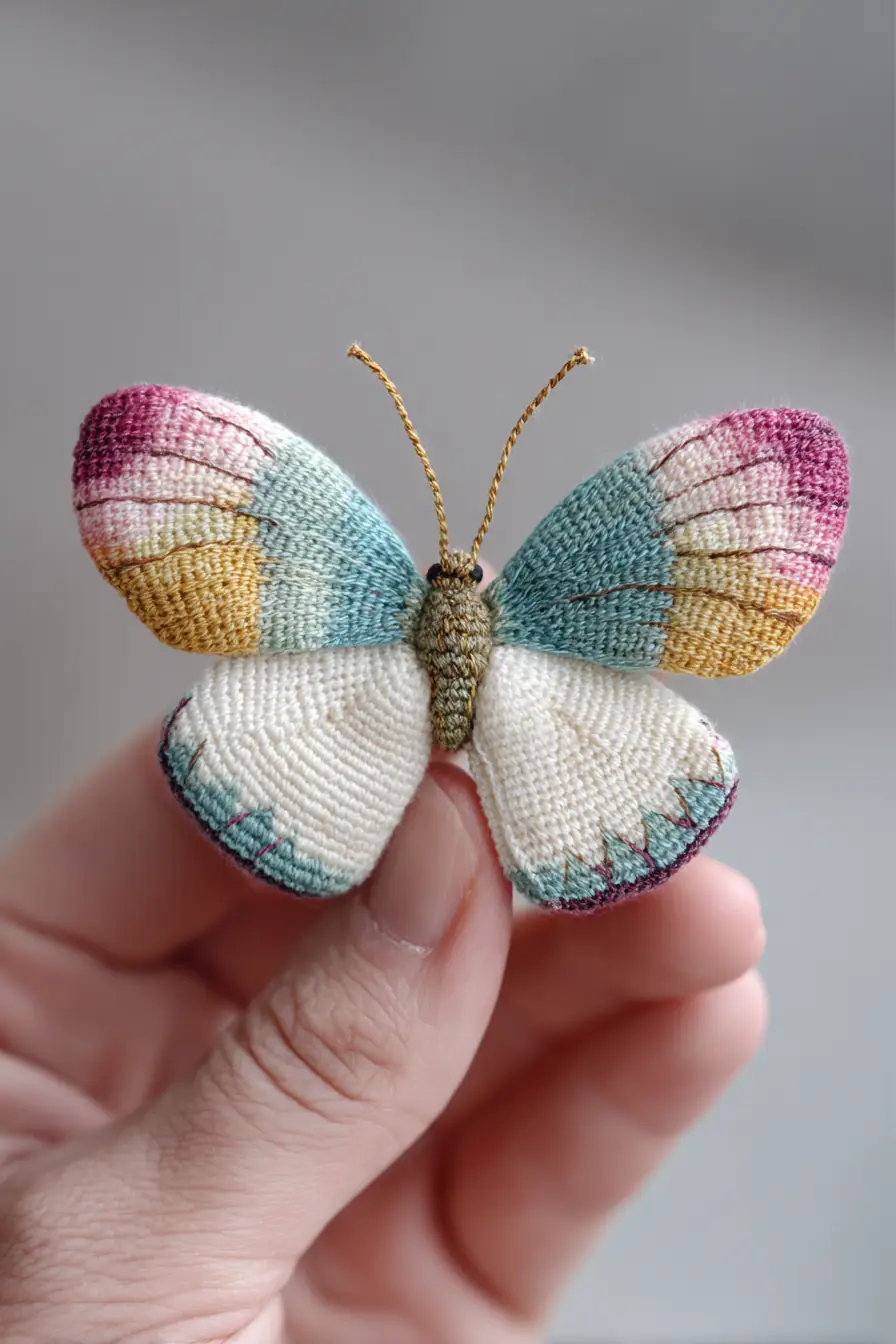
This delicate butterfly amigurumi is crocheted with fine yarn and careful assembly for a neat, wearable miniature. Materials: fingering or sport-weight cotton or acrylic yarn in 3–5 colors (or a gradient skein), a 2.5–3.5 mm crochet hook (US B–E), small amount of polyester stuffing, tapestry needle, stitch markers, optional safety eyes or black embroidery thread for eyes, and thin wire or metallic embroidery cord for antennae. Stitches & techniques: worked mainly in single crochet (US) with increases and invisible decreases for shaping, slip stitches for edging, and surface embroidery (backstitch) to add wing veins and scallops. Size: finished wingspan approximately 2–3 inches (5–8 cm), depending on yarn and gauge. Safety: if the toy will be given to children under 3, embroider eyes instead of using safety eyes or beads, secure all joins and hide knots, and avoid exposed wire in antennae. Tips: stuff gently for soft, slightly flattened wings; block wings after stuffing for crisp shape; change colors intentionally or use variegated yarn for smooth gradients; attach wings to the body with ladder stitch for an invisible seam.
Crochet Amigurumi Butterfly — Colorful Small Toy with Detailed Wings
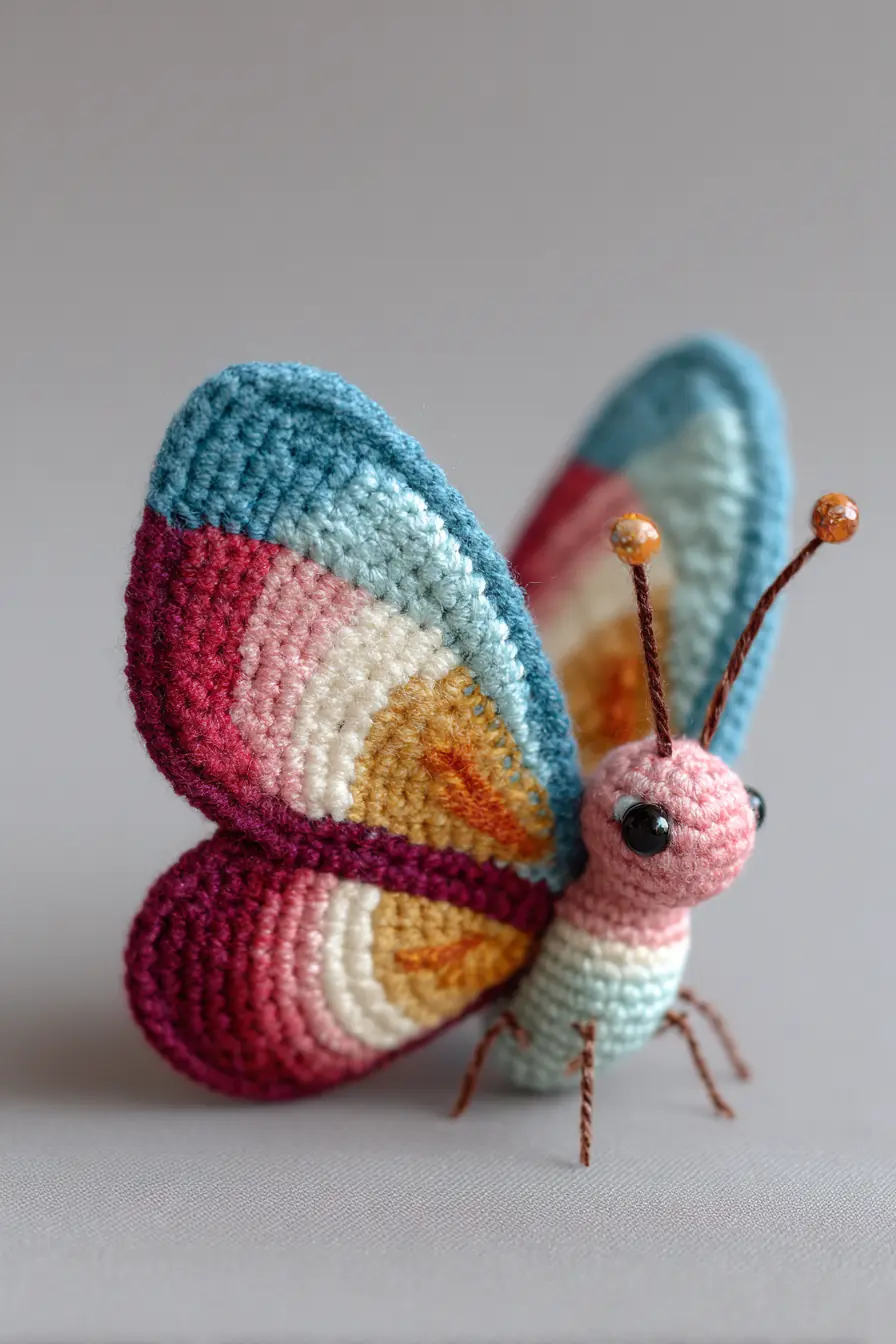
This delicate amigurumi butterfly is worked in DK/light worsted yarn with colorful panels and a sculpted body. Materials: DK yarn in 4–6 colors, 2.5–3.5 mm hook (adjust for firm gauge), small amount of polyfill, 8–10 mm safety eyes (or embroidered eyes for babies), thin craft wire or pipe cleaners for antennae, beads (optional), tapestry needle, stitch marker and small pliers. Stitches & technique: magic ring, single crochet (sc), increases/decreases, invisible decrease, slip stitch and surface crochet/edging used to define wing bands. Safety: for toys intended for infants, replace plastic eyes and beads with embroidered eyes and securely sew/whipstitch all parts; trim and secure wire ends or cover with felt. Size: finished toy is approximately 10–15 cm tall with a 15–20 cm wingspan depending on yarn and hook. Tips: crochet tightly to avoid gaps, stuff firmly and evenly, use pins to position wings before sewing, weave in color-change tails inside wings, and consider inserting a thin wire inside the wing seams for poseable display. Secure all small parts and label as decorative if not child-safe.
Green & White Butterfly Amigurumi — Mini Knitted/Crocheted Toy
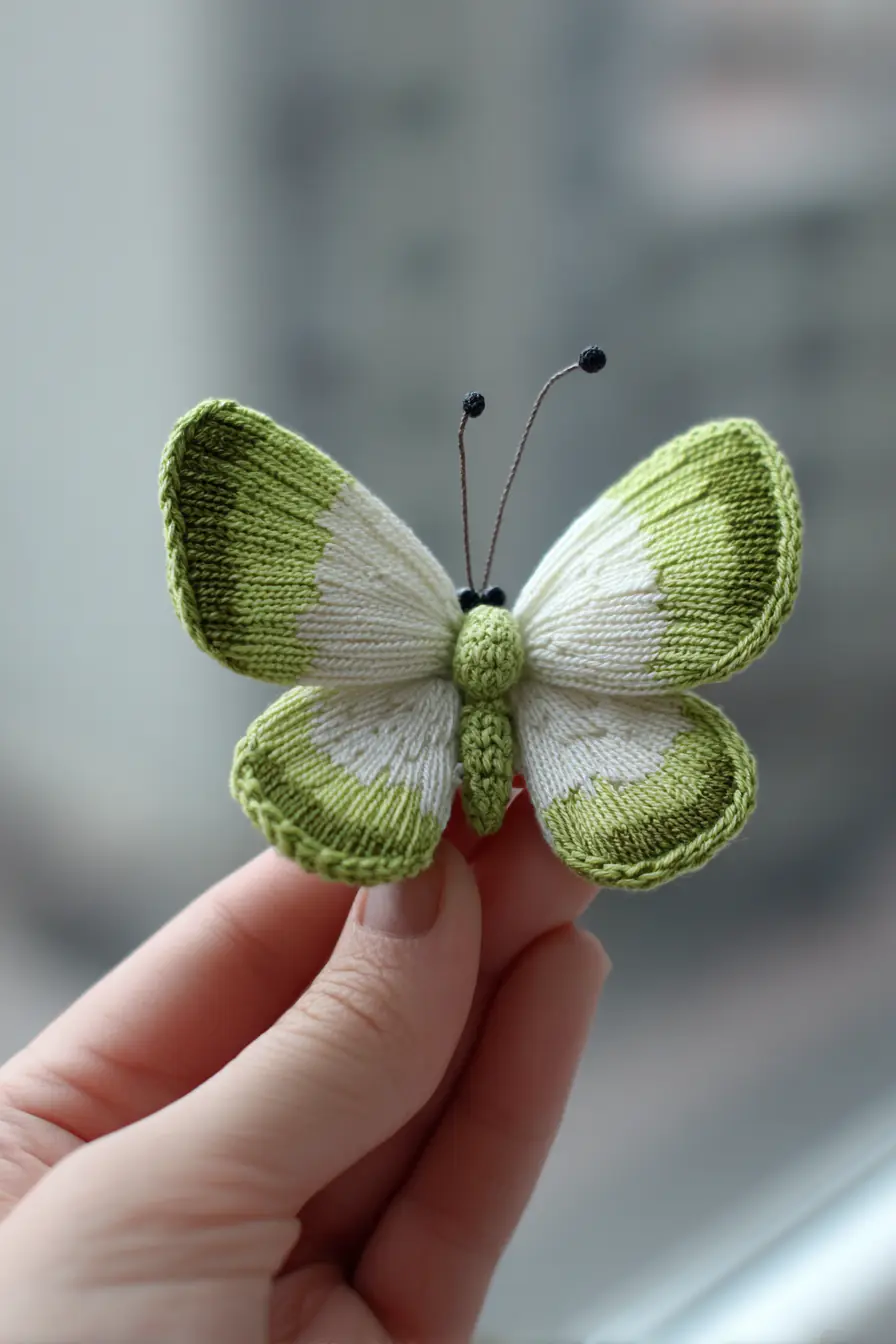
This delicate butterfly is best made with a light-weight cotton or cotton-blend yarn (fingering/sport weight like Catania or similar) for crisp stitch definition. Tools: 2.5–3.5 mm crochet hook or 2.5–3.75 mm knitting needles, tapestry needle, small amount of polyester stuffing, thin floral wire or pipe cleaner for antennae, and two tiny beads or embroidered thread for eye tips. Basic stitches and techniques: magic ring, single crochet (sc), increases/decreases (inc/dec), slip stitch (sl st) for crochet patterns; or stockinette and short rows if you prefer knitting the wings. Safety: if giving to small children, replace beads with embroidered eyes, securely weave and knot all ends, cap or bend antenna wire ends and cover with glue or thread to prevent sharp points, and use non-toxic stuffing. Size: finished wingspan is approximately 6–8 cm (2.5–3.1 in) with a body length around 3–4 cm. Tips: maintain even tension for smooth color transitions, use stitch markers for shaping, stuff firmly but not overly so, block wings flat for a polished look, and attach antennae before final sewing to hide joins.
Amigurumi Butterfly Crochet Pattern — Materials, Stitches & Safety Tips
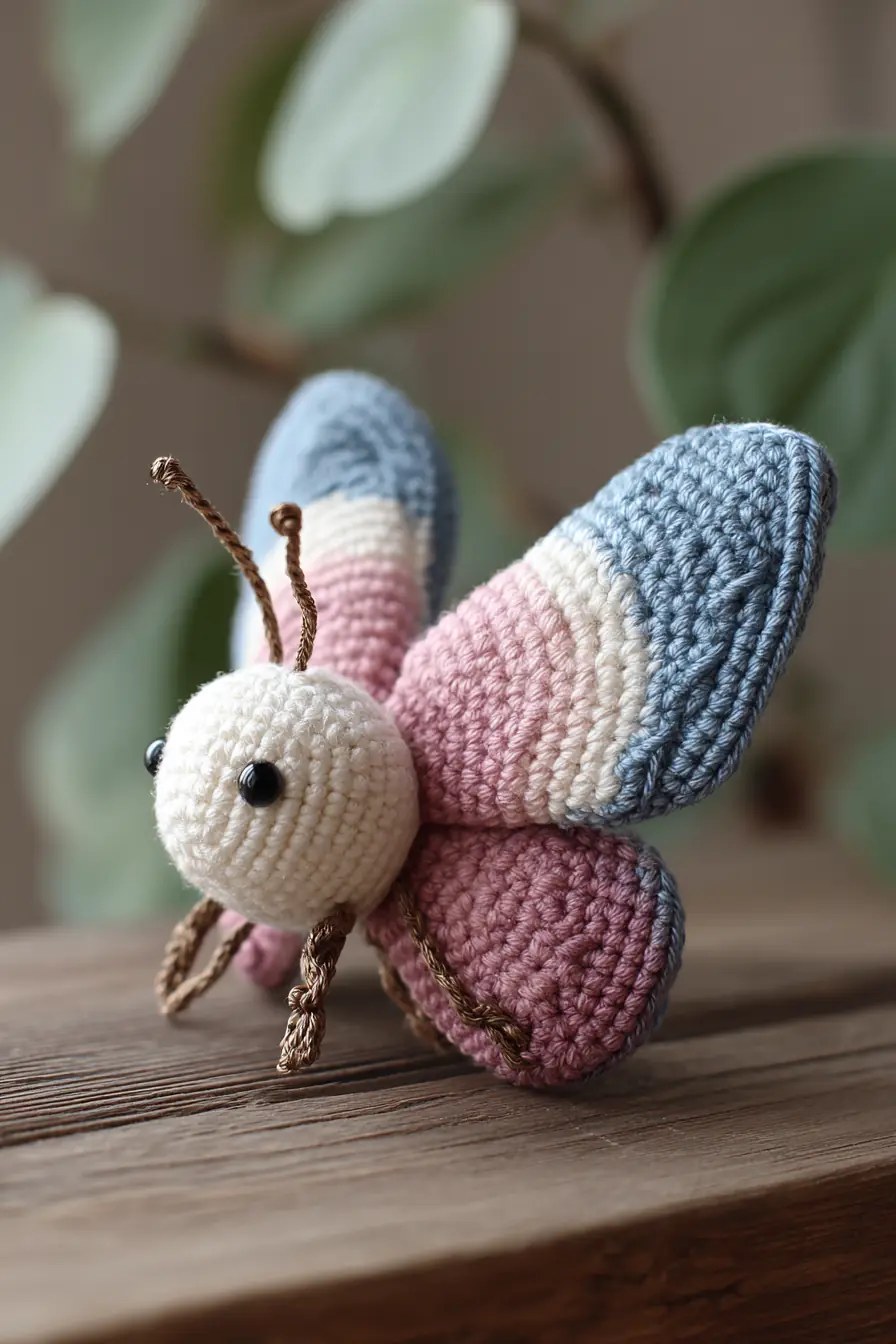
Soft, pastel amigurumi butterfly worked in DK/light-worsted cotton yarn for a smooth, matte finish. Materials: DK cotton in three colors (body and two wing tones), 3.0–3.5 mm crochet hook, 3–6 mm safety eyes (or embroidery thread for baby-safe toys), polyester fiberfill, yarn needle, stitch marker, and optional thin floral wire or metallic cord for antennae/legs. Stitches used: magic ring, single crochet (sc), increase (inc), decrease (dec), slip stitch (sl st) and basic joining/seam techniques to attach wings. Work in continuous rounds to avoid visible seams and change colors at the start of rounds for crisp wing bands. Safety: firmly secure safety eyes before stuffing; for children under 3 years, replace them with embroidered eyes and securely sew on all appendages. If using wire, pad ends with felt to prevent poking. Size: finished piece is approximately 10–12 cm (4–5 in) tall with a 12–14 cm (5–5.5 in) wingspan, depending on tension and yarn. Tips: keep tension fairly tight for firm stuffing, stuff gradually to shape wings, block lightly for symmetry, and weave ends invisibly for a polished finish.
Crocheted Amigurumi Butterfly — Tiny Gradient Wings Pattern
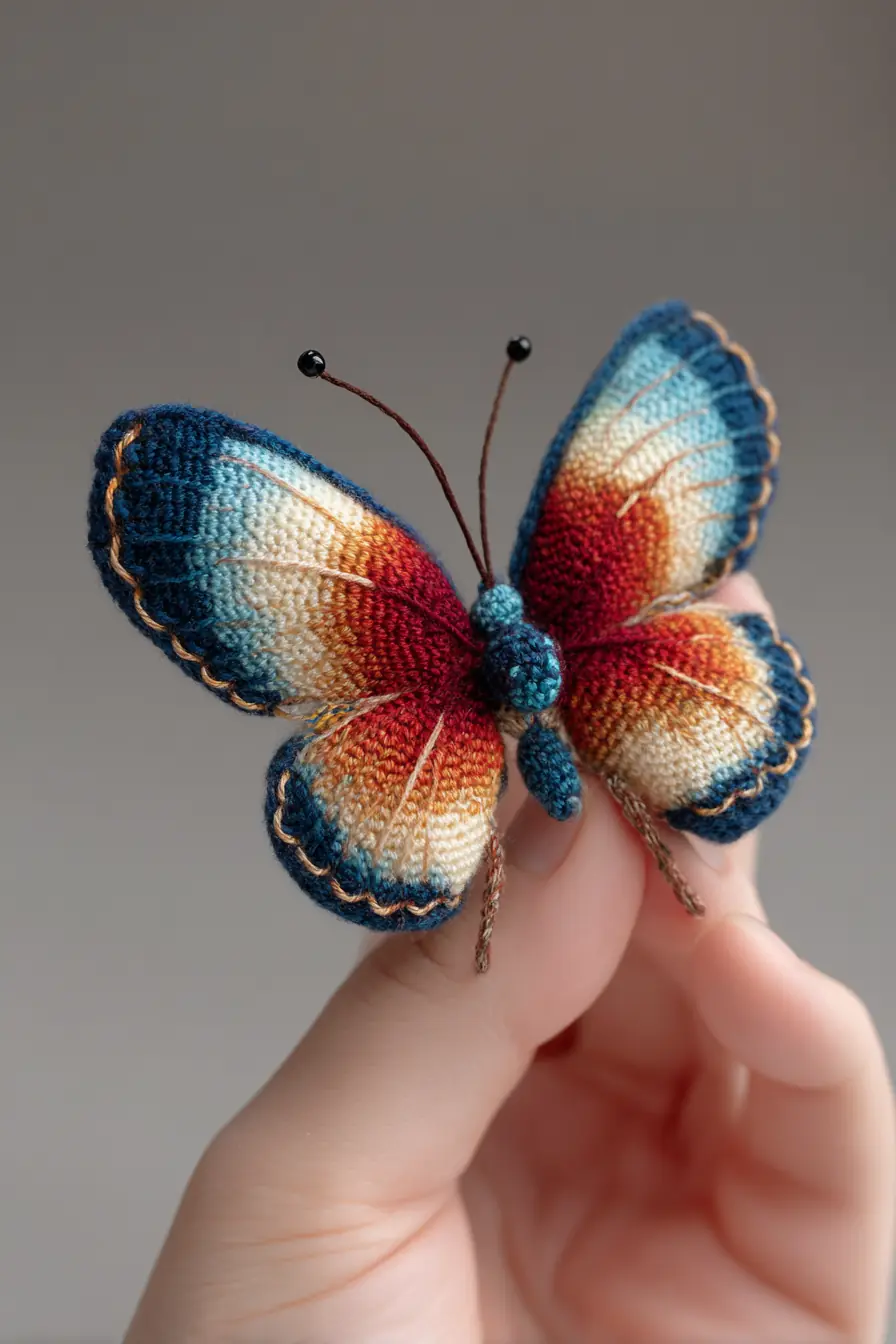
This delicate amigurumi butterfly pairs fine gauge crochet with subtle embroidery to create a realistic, poseable mini ornament. Materials: 50–100 g fingering or sport-weight cotton or wool-blend yarn (use a self-striping/gradient skein or three coordinating colors), 1.75–2.5 mm crochet hook (adjust to achieve a firm gauge), small amount of polyester fiberfill, 18–24 gauge floral wire or pipe cleaner for wing shaping and antennae, tapestry needle, and optional tiny beads for antenna tips. Stitches and techniques: magic ring, single crochet (sc), increases (inc) and decreases (dec) for shaping, slip stitch (sl st), and surface slip-stitch or backstitch embroidery for wing veins. Size and safety: finished wingspan approximately 6–8 cm (2.5–3 in). For toys intended for children under 3, avoid beads and instead embroider antenna tips and securely sew all parts; double-knot and weave in ends. Tips: keep a tight tension so stuffing doesn’t show, insert thin wire inside wings before closing for poseability, block wings gently to set curves, embroider veins after blocking for crisp lines, and use stitch markers to keep rounds even.
Blue Lace Butterfly Amigurumi — Crochet Pattern, Materials & Tips
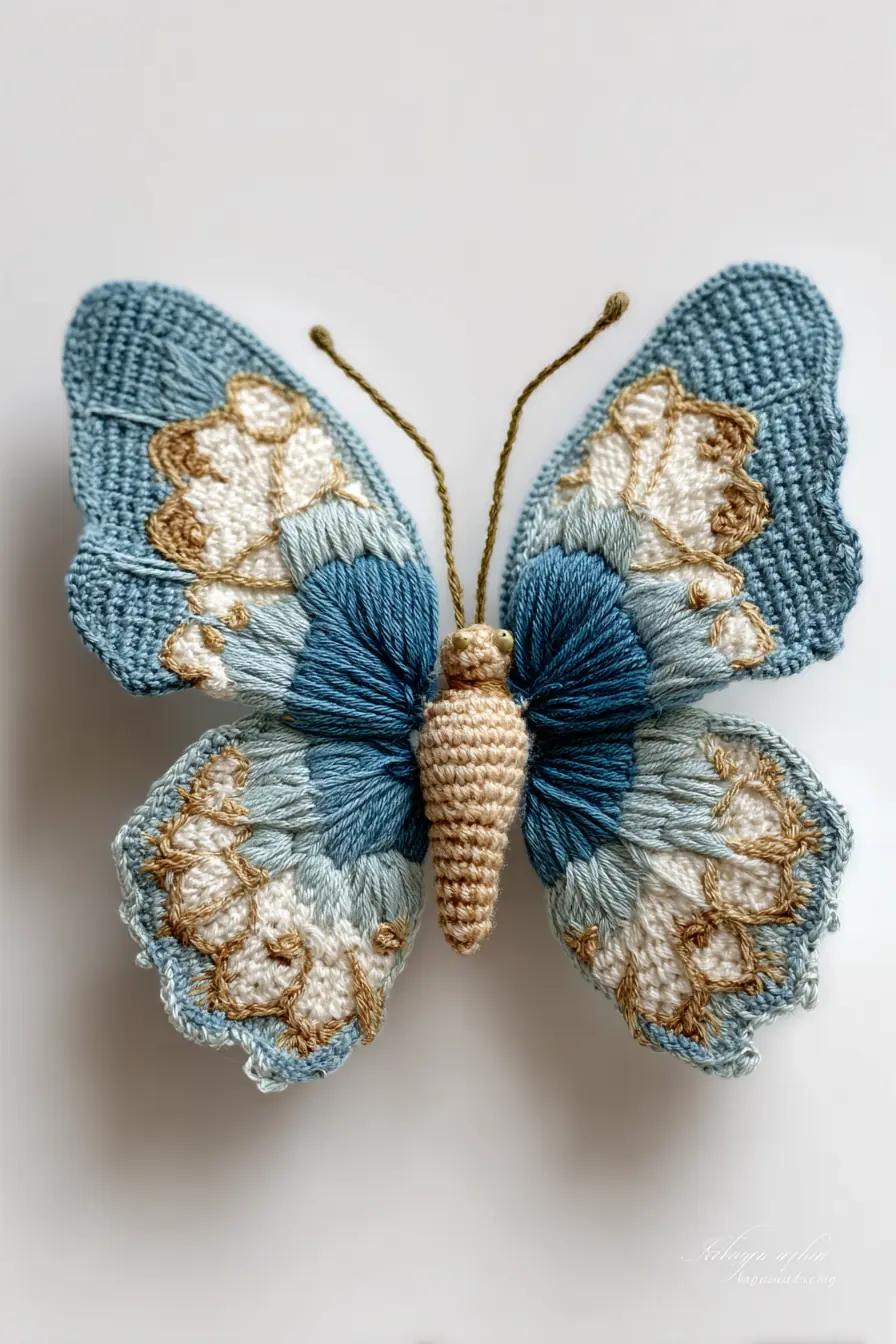
This delicate butterfly amigurumi is worked mostly in DK-weight cotton or cotton-blend yarns (two blues, cream/ivory and a gold accent). Suggested tools: 2.5–3.5 mm crochet hook (adjust for your tension), small amount of polyester stuffing, tapestry needle, stitch markers, embroidery needle and floss for wing detailing, and either 4 mm safety eyes or embroidered eyes for a fully child-safe toy. Main stitches: single crochet (sc) for the body, half double (hdc) and double crochet (dc) shaping for wing panels, slip stitch (sl st) finishes, and surface embroidery (satin stitch / long stitches) to create the lace-like wing motifs. Size: finished wingspan is roughly 14–18 cm (5.5–7 in) with a body about 6–8 cm (2.5–3 in), depending on yarn and hook. Safety: avoid small safety eyes for toys intended for infants — embroider eyes and securely fasten all appendages. Tips: work wings flat and block them before assembly, reinforce the body seam with an invisible ladder stitch, add a thin bendable wire or pipe cleaner inside antennae for poseability, and use consistent tension for smooth colorwork and embroidery.
Mini Crocheted Butterfly Amigurumi with Embroidered Wings
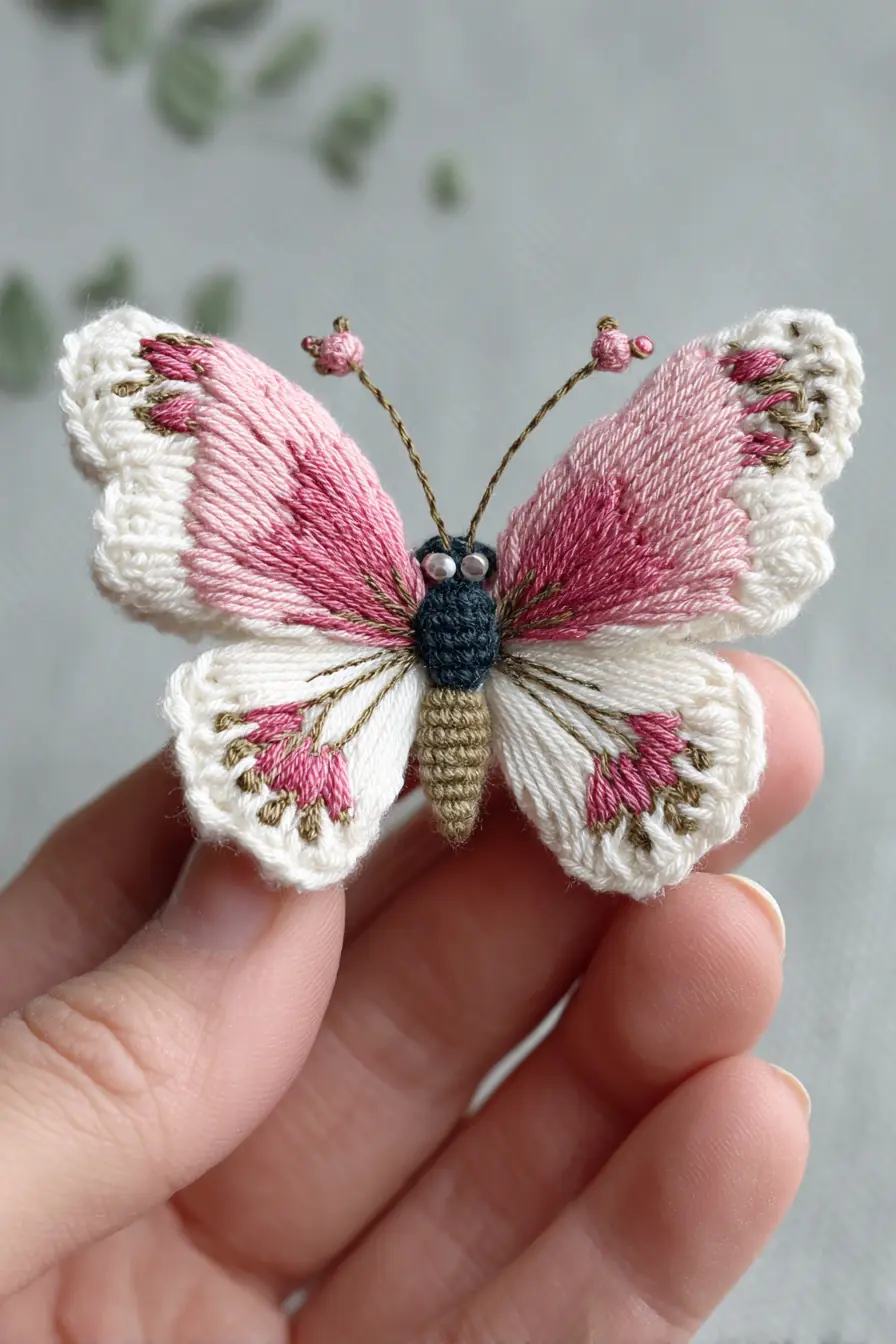
This miniature butterfly combines tight amigurumi crochet with surface embroidery for realistic, layered wings. Materials: light-weight cotton or cotton-blend yarn (fingering/DK), 1.5–2.5 mm crochet hook depending on yarn, stranded embroidery floss or size 8 perle for wing shading, thin floral or craft wire for antennae, two small beads or safety eyes, polyester stuffing (tiny amount), tapestry and embroidery needles, and sharp scissors. Stitches & techniques: make body with magic ring and continuous single crochet rounds, use slip stitches for joins, and finish wings with satin and long-and-short surface stitches plus French knots for accents. Safety: if gifting to children, sew or embroider eyes rather than using loose beads; securely weave and knot all ends and tuck wire antennae into the body core or cover with embroidery floss so no sharp ends are exposed. Size: finished wingspan is approximately 4–6 cm (1.5–2.5 in) and fits comfortably on the fingertip. Tips: keep a tight gauge for crisp shape, do embroidery before final stuffing when possible, lightly block wings for symmetry, and anchor antenna wire well into the crocheted body.
Crochet Amigurumi Butterfly Pattern — Materials, Stitches, Size & Safety Tips
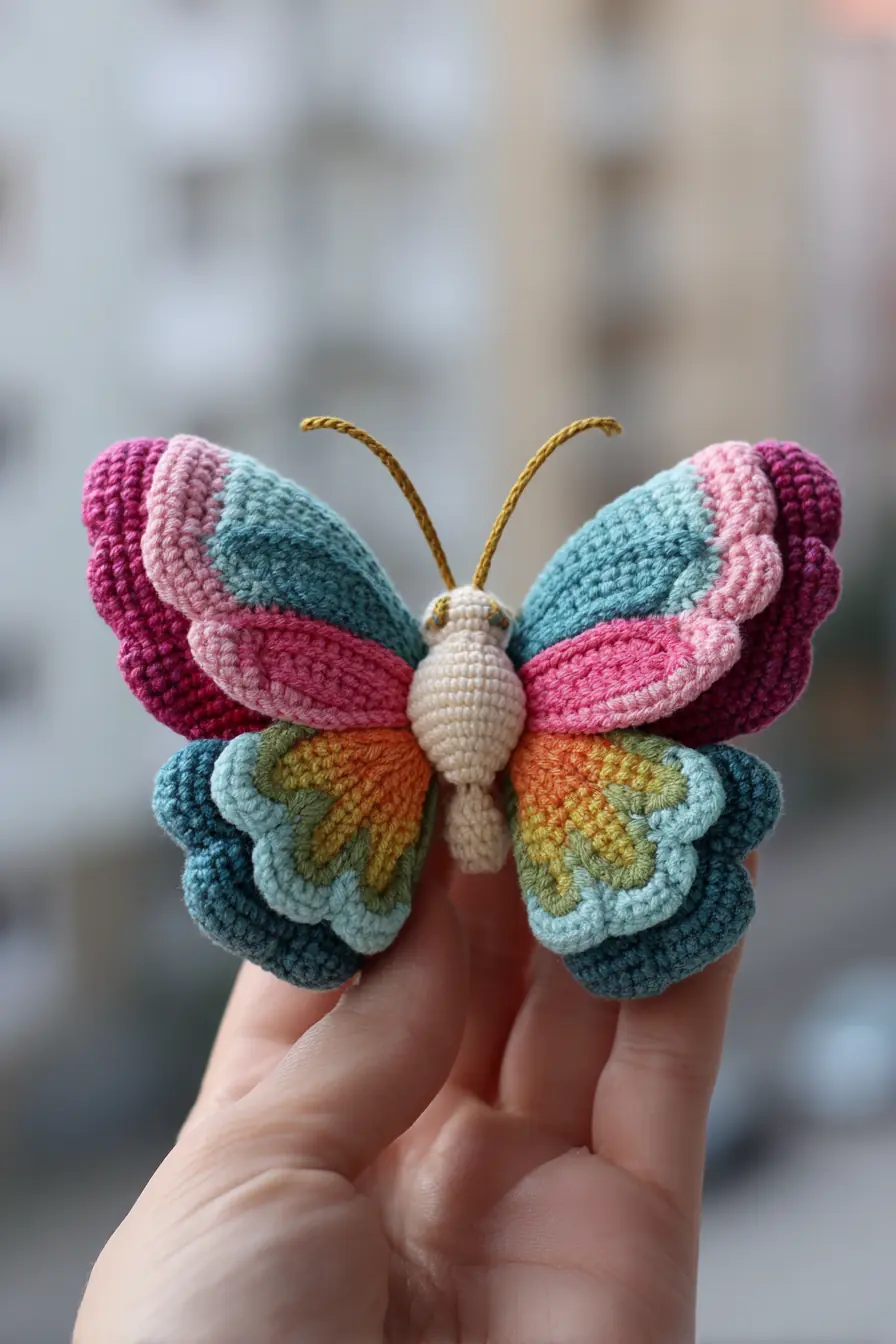
This small, colorful amigurumi butterfly is worked in lightweight yarn with layered scalloped wings for a textured finish. Materials: fingering/sport or DK-weight cotton or acrylic yarn in 5–7 contrasting colors, 2.5–3.5 mm crochet hook (choose according to yarn), small amount of cream or beige for the body, polyester fiberfill, 2 mm craft wire or pipe cleaners for antennae (or yarn-wrapped wire), tapestry needle, stitch marker, and optional safety eyes (use embroidered eyes for toys for young children). Key stitches and techniques: magic ring, single crochet (sc), invisible decrease (inv dec), increases (inc), half double crochet (hdc) for scallops, slip stitch (sl st), color changes, and surface crochet for detailing. Finished size: approximately 9–11 cm (3.5–4.5 in) wingspan and 5–7 cm (2–3 in) body height depending on yarn and tension. Safety: avoid small detachable parts for babies; embroider features and securely sew antennae ends inside the body. Tips: use a stitch marker to track rounds, stuff firmly for shape, make mirrored wing halves before assembly, and lightly block wings to flatten scallops for a polished look.
Mini Rainbow Butterfly Amigurumi — Crochet Materials, Stitches & Tips
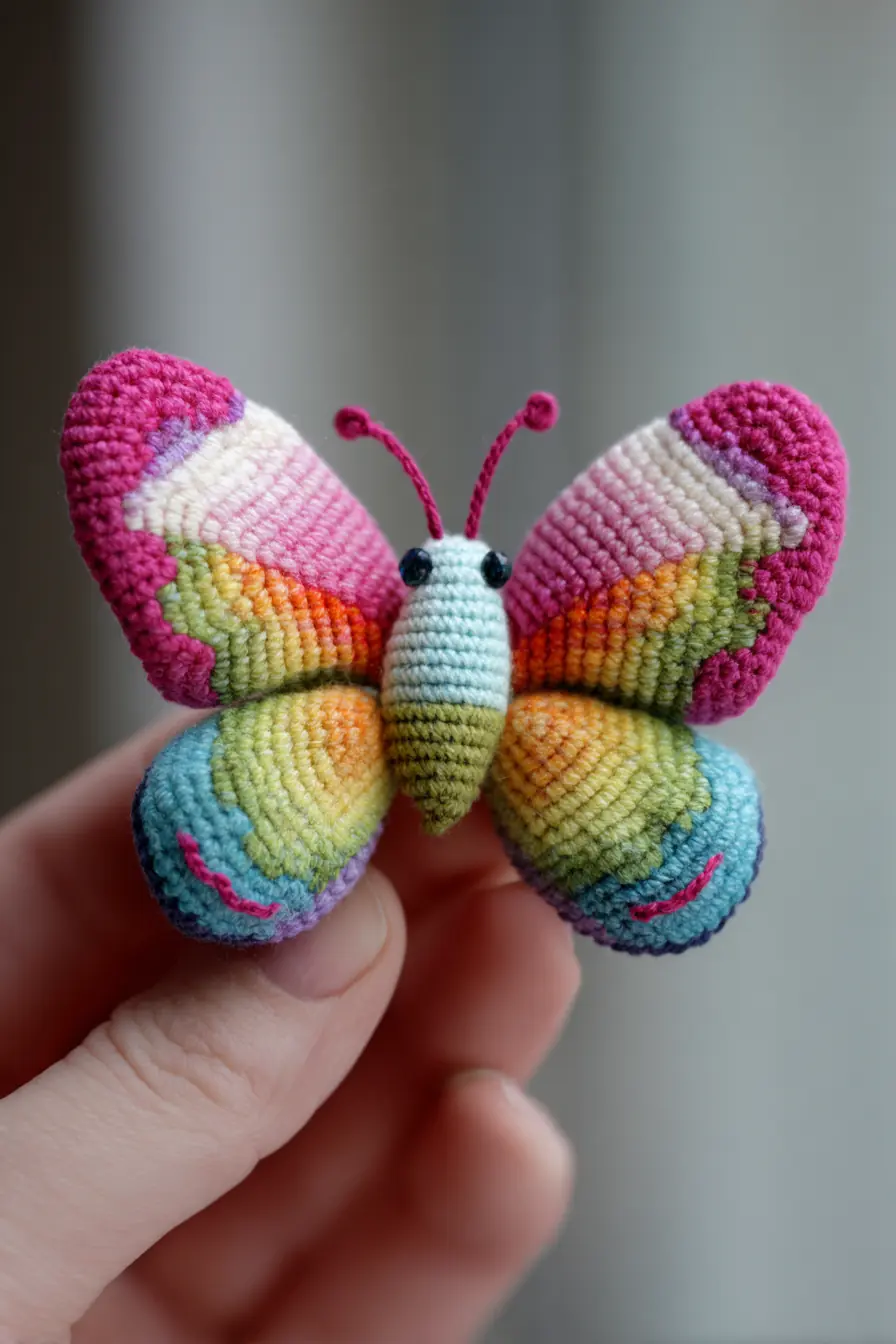
This handheld butterfly is ideal for a quick amigurumi project. Materials: light fingering to sport-weight cotton or acrylic yarn (one small skein or gradient cake), 2.5–3.5 mm hook (use smaller for tighter fabric), small amount of polyester fiberfill, safety eyes (6–8 mm) or embroidered eyes, tapestry needle, stitch marker, and optional thin florist wire for antennae. Key stitches and techniques: magic ring, single crochet (sc), increase (inc), invisible decrease (dec), slip stitch (sl st), surface crochet or embroidery for wing accents. Safety: if the toy is for young children, avoid removable safety eyes — embroider eyes instead and secure all ends; firmly stuff to prevent large gaps; sew pieces with strong yarn and hide tails. Size: finished wingspan typically falls between 6–9 cm (2.5–3.5 in) depending on hook and yarn. Tips: keep tension tight for a neat finish, stuff wings lightly so they stay flat, work wings and body separately then sew symmetrically, change colors gradually for a smooth gradient, and block pieces lightly after stuffing to flatten edges. Small details like embroidered spots and wired antennae add durability and personality.
Amigurumi Butterfly Crochet — Tiny Cotton/DK Toy (3–3.5 in wingspan)
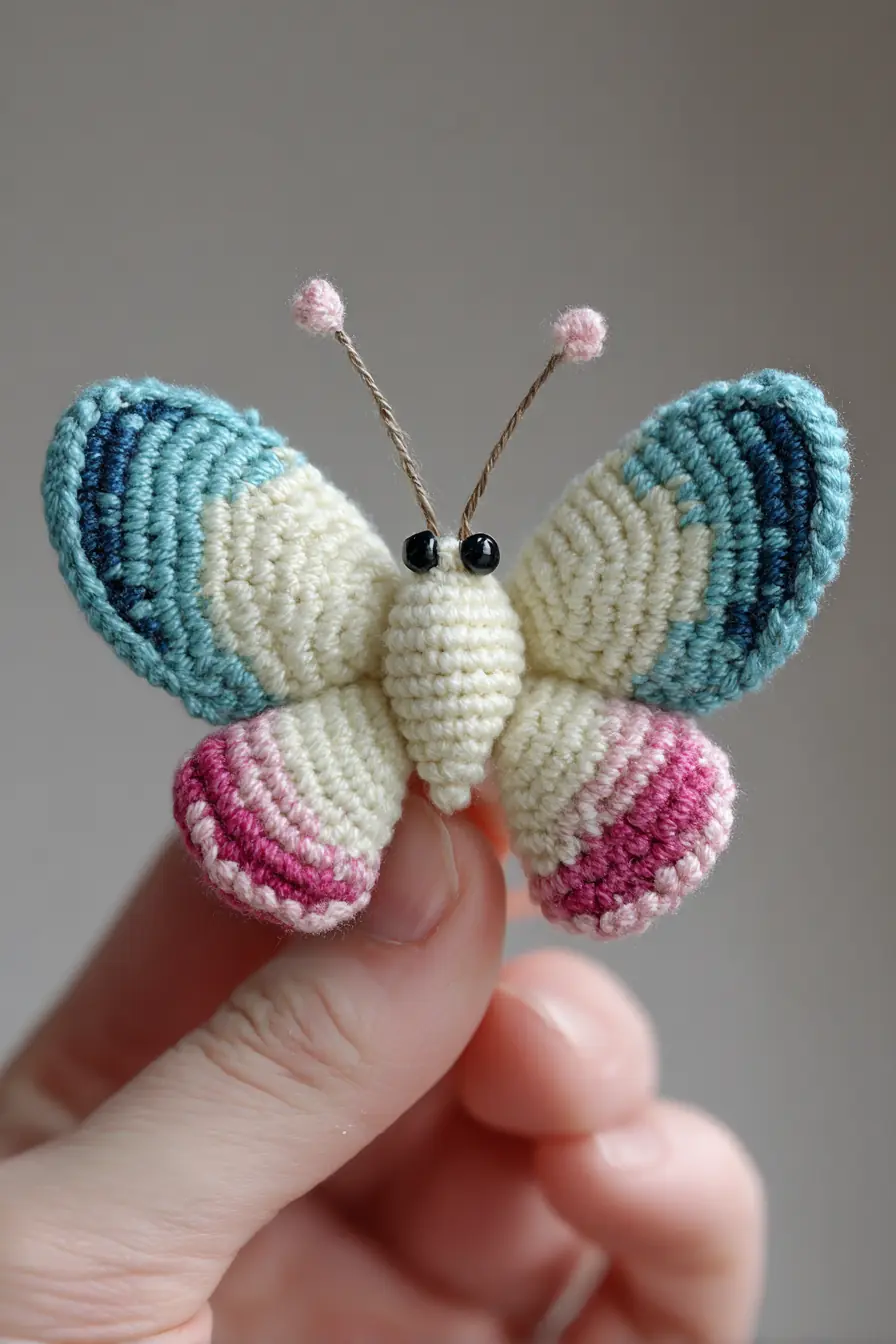
This small amigurumi butterfly is worked in soft cotton or DK-weight yarn for clear stitch definition and a slightly firm shape. Materials: cotton or DK acrylic yarn (main + 2–3 accent colors), 2.5–3.5 mm hook (adjust to yarn and desired firm gauge), 6 mm safety eyes or embroidery thread for child-safe toys, polyester stuffing, thin wire or craft cord for antennae, tapestry needle, stitch marker and small pom-poms or French knot floss for antenna tips. Stitches used: magic ring, single crochet (sc), increase (inc), invisible decrease (inv dec), slip stitch (sl st) and color changes. Size & safety: finished wingspan ~3–3.5 inches (7.5–9 cm); secure safety eyes and glued/stitched antenna bases if intended for children. For toys for under-3s, embroider eyes and avoid glued-on decorations. Tips: work the body and wings in continuous rounds to avoid seams, use a stitch marker, stuff wings lightly to keep them flat but the body firmly for structure, weave ends through the center and block wings flat after assembly. Change colors by completing the last pull-through of a stitch with the new yarn for neat stripes.
Mini Amigurumi Butterfly Crochet Pattern — Materials, Size & Safety
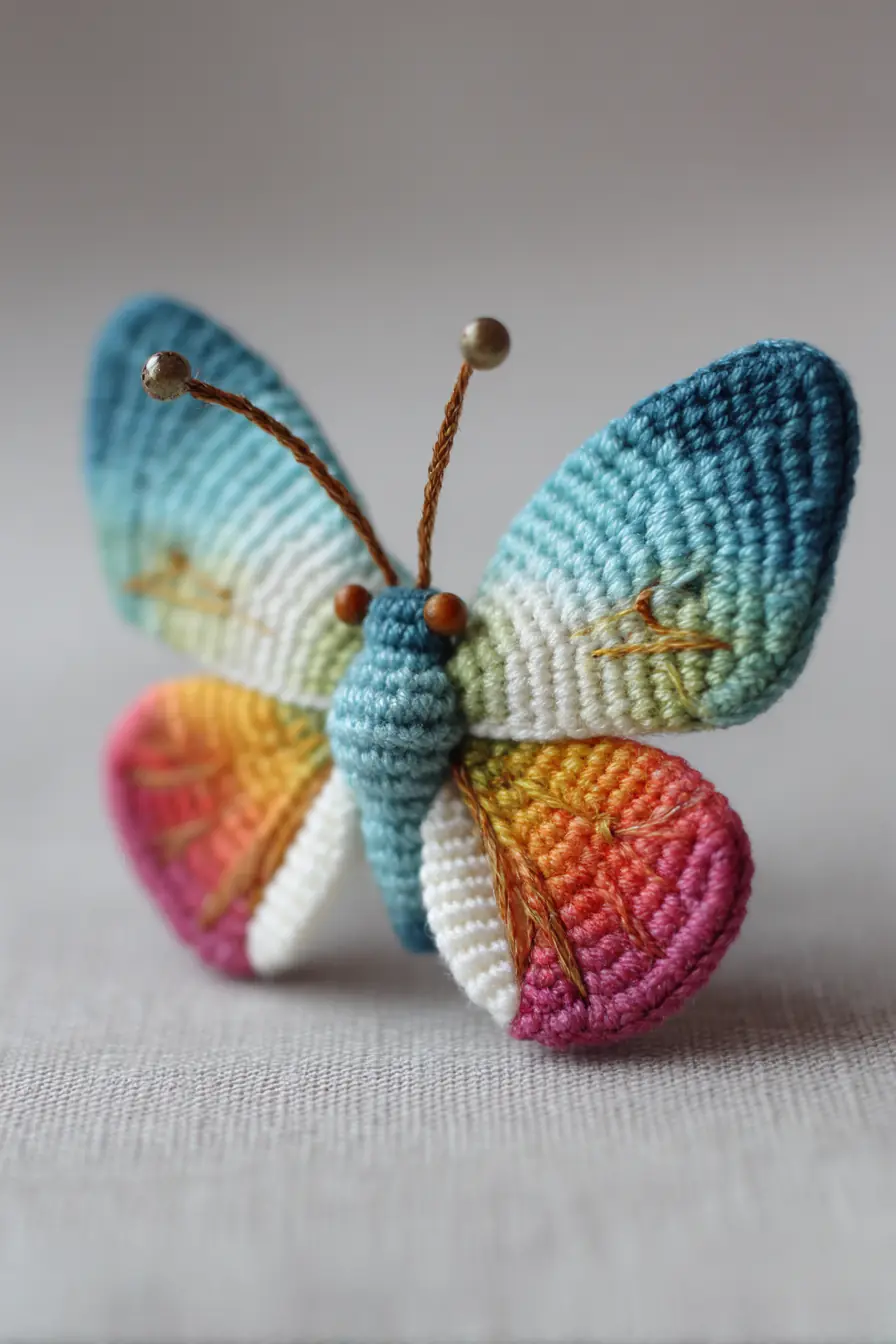
This delicate amigurumi butterfly is crocheted in small parts and assembled for a neat finish. Materials: fingering/sport cotton or acrylic yarn (2–3 colours plus contrast), 2.5–3.5 mm hook (adjust for tight gauge), small amount of fiberfill, embroidery floss for wing veins, two 4–6 mm wooden or plastic beads (optional), thin floral wire or twisted yarn for antennae, tapestry needle, stitch marker and scissors. Stitches & techniques: magic ring, single crochet (sc) in continuous rounds, increases (inc) and decreases (dec) for shaping, slip stitch (sl st), and simple surface embroidery for veins; back-loop-only (BLO) rounds can sharpen wing edges. Size: finished wingspan about 8–10 cm (3–4 in) depending on yarn/hook. Safety: for toys intended for children under 3, replace beads with embroidered eyes and securely sew antennae or use embroidered cord to eliminate choking hazards. Tips: keep a tight gauge to hide stuffing, stuff lightly to preserve wing shape, block wings flat after assembly, use stitch markers to track rounds, and test attachments by tugging to ensure durability.
Ready to stitch your own fluttering friends? With these 19 amigurumi butterfly photos and pattern tips, you have plenty of ideas to practice tension, colorwork, and tiny shaping. Start with simpler wing shapes and a basic body to build confidence, then experiment with textured stitches, embroidery details, or metallic thread for antennae. Care tips: spot-clean gently with mild soap, reshape when damp, and keep out of prolonged sun to avoid fading; if pieces get flattened, a quick steam-block (hold cloth between iron and toy) restores loft. Gift, display on a mobile, or attach to a keyring - small projects like these make thoughtful presents and fast social pins. Save your favorite images to a dedicated Pinterest board, tag your photos with #amigurumi and #butterfly, and share any color combos or pattern tweaks in the comments. I cant wait to see what you create - happy crocheting!
Share
What's Your Reaction?
 Like
0
Like
0
 Dislike
0
Dislike
0
 Love
0
Love
0
 Funny
0
Funny
0
 Angry
0
Angry
0
 Sad
0
Sad
0
 Wow
0
Wow
0